Back to Art Class Cute Illustration: A Comprehensive Guide for Educators and Creators
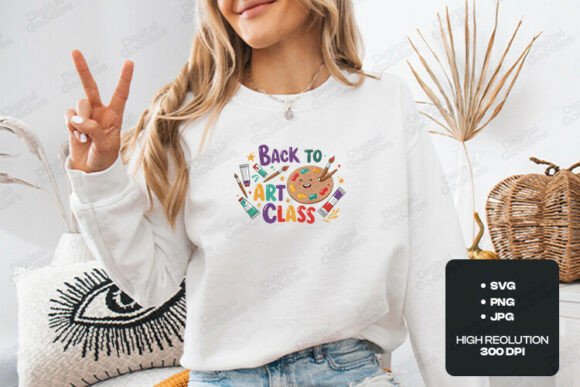
The transition from summer break to the school year often brings a mix of excitement and logistical challenges, particularly when preparing visual materials for creative subjects. In this context, the Back to Art Class Cute Illustration has emerged as a versatile asset for teachers, parents, and designers looking to foster a welcoming atmosphere in educational spaces. This specific design features a charming composition centered around a smiling paint palette, accompanied by essential art supplies like paint tubes and brushes. Unlike generic clipart that might feel sterile or overly commercial, this illustration is crafted with a distinct aesthetic that balances professionalism with approachability, making it ideal for engaging students of various ages.
When evaluating digital assets for classroom use or merchandise, understanding the nuances of file formats and design intent is crucial. The Back to Art Class Cute Illustration stands out because it is not merely an image but a multi-format resource designed to integrate seamlessly into diverse workflows. Whether you are printing high-resolution posters for a hallway display or creating scalable vector graphics for custom tote bags, the versatility of this asset allows for applications that go far beyond simple decoration. It serves as a foundational element for building a cohesive brand identity around creativity and learning.
Distinguishing Features and Design Philosophy
What truly sets the Back to Art Class Cute Illustration apart from standard stock imagery is its intentional focus on emotional connection through character design. The central figure—a smiling paint palette—personifies the joy of creation, transforming a mundane tool into a friendly mascot. This anthropomorphic approach is backed by educational psychology, which suggests that personified objects can reduce anxiety and increase engagement among young learners. When students see a happy palette welcoming them back to class, it subtly signals that mistakes are part of the process and that the studio environment is safe and fun.
The inclusion of supporting elements, such as paint tubes and brushes, reinforces the theme without cluttering the composition. These items are rendered in a style that is colorful yet clean, ensuring they remain legible even when scaled down for small applications like stickers or planner icons. The color palette used in the illustration is vibrant, utilizing primary and secondary colors that stimulate visual interest without overwhelming the viewer. This balance is critical; in a busy classroom setting, visuals need to capture attention without contributing to sensory overload.
Comparing File Formats and Technical Specifications
A significant advantage of this specific design package is the inclusion of multiple file types, each serving a unique purpose in the production pipeline. Understanding the differences between these formats helps users make informed decisions about where and how to apply the artwork.
- PNG (Portable Network Graphics): The 300 DPI version with a transparent background is the industry standard for print-on-demand services and digital overlays. Its transparency allows the illustration to sit perfectly over any colored shirt fabric or paper background without unsightly white boxes. For educators printing t-shirts for a class field trip or designing flyers, the PNG format ensures crisp edges and high fidelity.
- SVG (Scalable Vector Graphics): This fully scalable vector file is indispensable for large-scale projects. Because SVGs are mathematically defined rather than pixel-based, the Back to Art Class Cute Illustration can be enlarged to cover a gymnasium wall or shrunk to fit a pencil eraser without losing any detail. This makes it the superior choice for professional sign-making, vinyl cutting machines, and responsive web design.
- JPG (Joint Photographic Experts Group): While less flexible than PNG due to the lack of transparency, the 300 DPI JPG offers compatibility with older software systems or platforms that do not support alpha channels. It is a reliable fallback for quick previews or basic document insertion.
Evaluating Use Cases and Practical Applications
The utility of the Back to Art Class Cute Illustration extends across a wide spectrum of educational and commercial scenarios. However, not every application requires the same level of technical precision. Recognizing the best-fit situations can save time and resources while maximizing the impact of the design.
Classroom Decor and Environment: One of the most effective uses of this illustration is in physical space planning. Teachers can utilize the high-resolution versions to create bulletin boards, door signs, and motivational posters. The cute aesthetic helps demystify the art room for younger students who may be intimidated by new environments. When paired with student work, the illustration acts as a unifying frame, giving the space a curated, professional look.
Merchandise and Student Gifts: For schools organizing fundraisers or end-of-year gifts, the scalability of the SVG file is invaluable. Customizing tote bags, water bottles, or lanyards with the smiling palette design creates a sense of community and belonging. Unlike generic designs found on mass-market products, this illustration feels bespoke and thoughtful, adding value to the gift itself.
Digital Planning and Organization: The trend of using planners and digital organizers for academic scheduling has grown significantly. The compact nature of the illustration makes it perfect for decorating digital calendars, teacher planners, or email signatures. Here, the PNG format's transparency is key, allowing the graphic to blend naturally into complex layouts without disrupting the user interface.
Tradeoffs and Considerations Against Alternatives
While the Back to Art Class Cute Illustration offers numerous benefits, it is important to evaluate it against other options to ensure it aligns with specific project needs. Not all illustrations are created equal, and different contexts demand different artistic styles.
Hand-Drawn vs. Digital Vector: Some educators prefer the organic, imperfect look of hand-drawn sketches to emphasize the "messy" nature of art. However, hand-drawn images can be difficult to reproduce consistently at scale. The Back to Art Class Cute Illustration, being digitally crafted, offers consistency and sharpness that hand-drawn alternatives often lack. If the goal is uniform branding across multiple mediums, the digital approach is generally superior.
Complexity vs. Simplicity: In STEM-focused projects, there is sometimes a preference for more literal or technical imagery. A highly stylized, cute illustration might feel too informal for advanced engineering diagrams or scientific posters. In these cases, a more minimalist or schematic approach might be appropriate. The Back to Art Class Cute Illustration is best suited for early childhood education, general arts integration, and community-building activities where warmth and approachability are prioritized over strict technical accuracy.
Cost and Licensing: Purchasing a dedicated illustration package often involves an upfront cost compared to free stock images. However, free images frequently come with restrictive licensing, usage limits, or inconsistent quality. Investing in a comprehensive set that includes both raster and vector files provides long-term value, reducing the need to search for replacements or pay for resizing services later.
Decision Factors for Selection
Choosing the right visual asset ultimately depends on the specific goals of the project. If the objective is to create a cohesive, professional look for a range of materials—from shirts to posters—the Back to Art Class Cute Illustration provides a robust solution. Its combination of high resolution and vector scalability addresses the most common pain points in educational design: print quality and size adaptability.
Conversely, if the project requires a highly specific narrative or a style that deviates significantly from the "cute" aesthetic, this particular design may not be the optimal fit. In such instances, commissioning custom art or searching for niche styles might yield better results. However, for the vast majority of "back-to-school" initiatives aiming to celebrate creativity and welcome students, the strengths of this illustration—its clarity, charm, and technical flexibility—make it a standout choice.
Ultimately, the decision should be driven by the desired tone of the communication. By selecting an image that resonates emotionally with students while maintaining technical reliability for the creator, educators can enhance the learning experience from day one. The Back to Art Class Cute Illustration exemplifies how thoughtful design choices can support pedagogical goals, turning simple graphics into powerful tools for engagement and inspiration.